
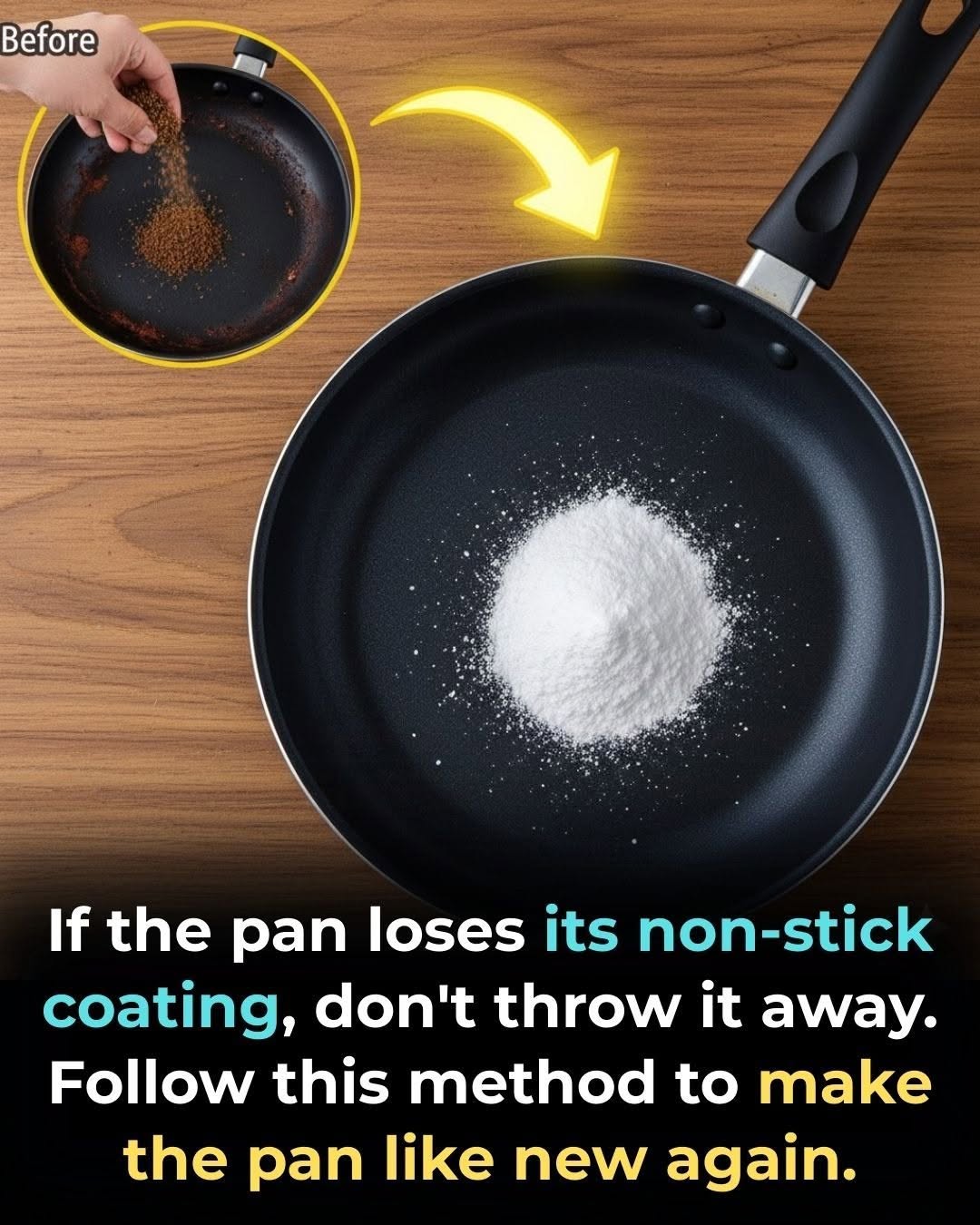
A non-stick pan that has lost its coating can make cooking frustrating. Food sticks, frying becomes messy, and many home cooks immediately think of replacing the pan. But before you toss it, there’s a simple way to keep using your pan safely and effectively.
Modern non-stick cookware is coated with Teflon, also known as polytetrafluoroethylene (PTFE). It was accidentally discovered in 1938 and originally developed for military use. By 1951, Teflon was applied to metal cookware, creating a smooth, wax-like surface that made cleaning easier and cooking more convenient.
Even when the non-stick coating starts to peel, small flakes of Teflon are generally considered harmless and are excreted naturally by the body. However, overheating a damaged pan can release harmful fumes, so proper care is essential.
How to Cook in a Worn Non-Stick Pan
If your pan has lost its coating but you want to continue using it, follow these steps for the best results:
Step 1: Preheat the Pan Properly
Place your pan on the stove and heat it dry. To test the right temperature, sprinkle a small spoon of water into the pan. If the water dances or rolls across the surface, the pan is ready.
Step 2: Add Oil or Fat
Pour in a small amount of cooking oil or fat and wait until it bubbles slightly. This layer of oil will act as a temporary non-stick barrier.
Step 3: Cook Your Food
Add your ingredients, such as eggs, fish, or meat. Make sure foods like fish are completely dry, as moisture can cause hot oil to splatter. Using this method, food will cook without sticking, even in a worn pan.
Additional Tips for Safe and Effective Use
- Wash the Pan Before First Use
New pans often have residual manufacturing oils. Wash with mild dish soap, rinse thoroughly, then heat with a small amount of cooking oil before wiping clean. This removes residues and neutralizes any factory smell. - Add Oil Before Heating
Always add oil to the pan before heating, rather than heating an empty pan first. Heating without oil can damage the remaining non-stick surface and release harmful fumes.
Use Low to Medium Heat
Avoid cooking on high heat, as extreme temperatures can degrade the coating, cause peeling, or release toxic fumes. Low to medium heat protects both the pan and your health.
Avoid Oven or Broiler Use
Most non-stick pans are not designed for high-heat oven use. Exposing them to oven temperatures accelerates the breakdown of the coating.
Do Not Add Salt or Soy Sauce Directly to Hot Pan
Adding salt or soy sauce directly to a hot, worn non-stick pan can cause pitting and reduce the pan’s lifespan. Add seasonings to the food, not the pan.
Limit Cooking Certain Foods
Avoid cooking sticky, sugary, or very acidic foods in a damaged non-stick pan, as these can further damage the surface.
Consider Oil-Free Alternatives
Some foods, like eggs or bread, can be fried with a thin layer of oil or even without oil if the pan is properly preheated and food is dry.
Why This Works
Even a pan with a worn non-stick coating can perform reasonably well if used correctly. Preheating, adding oil first, and keeping the heat moderate allows a temporary non-stick layer to form and prevents food from sticking. Following these steps can extend the life of your pan for months, if not years.
Final Advice
A damaged non-stick pan doesn’t have to go to the trash immediately. With careful use:
- Heat at low to medium temperature
- Use oil or fat for temporary non-stick protection
- Avoid high-heat cooking, ovens, and harsh seasonings
Following these guidelines ensures food cooks evenly, safely, and deliciously — even in a pan that has lost its original coating.
By taking these precautions, you can save money, reduce waste, and still enjoy stress-free cooking.
