
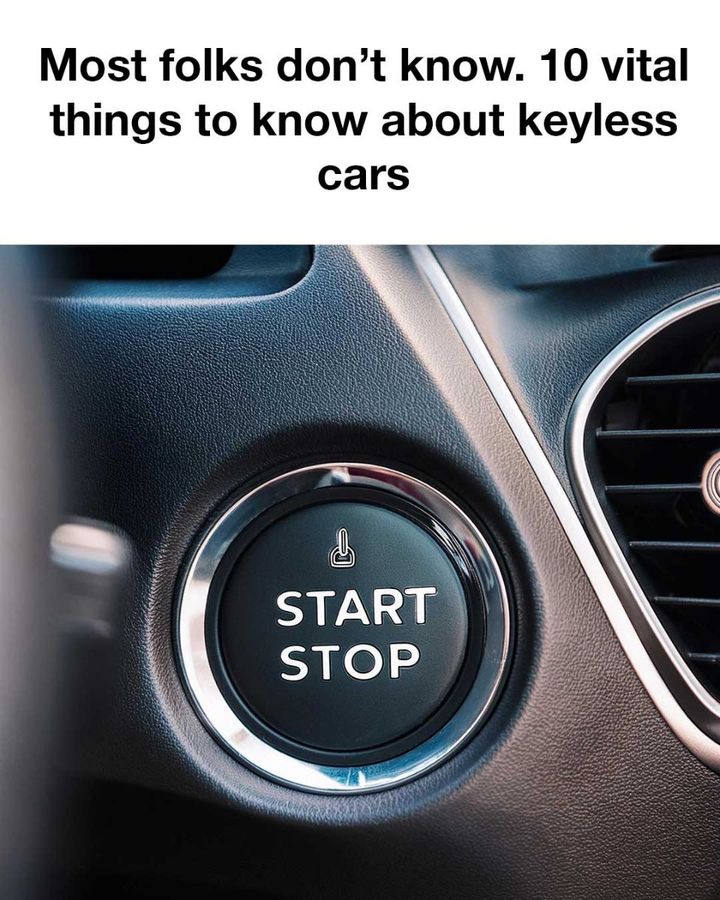
Immediate Security Considerations for Keyless Cars
Keyless car entry and ignition systems have revolutionized vehicle access, but they also introduce specific security challenges that every owner must understand. One critical threat is the relay attack, where criminals use devices to capture and amplify the signal from your key fob, potentially unlocking and starting your car without physical access to the key itself.
ADVERTISEMENT
Recognizing this risk is essential to protect your vehicle and avoid costly theft and insurance complications.
Assessing Your Vehicle’s Vulnerability
Start by identifying if your car uses a passive keyless entry and start system that automatically detects the key fob when nearby. This convenience can become a liability if the fob is left in close proximity to exterior doors, such as near front entrances at home.
A simple test to consider: does your car unlock or start when the key is inside your house but you are outside? If yes, your system could be susceptible to signal relay attacks.
Check Your Key Fob and Parking Habits
Many owners overlook the importance of safeguarding their key fobs. Leaving the fob on a table near an exterior door can expose it to amplification devices.
ADVERTISEMENT
To mitigate this, use a Faraday pouch or signal-blocking container to store your fob when not in use. Additionally, parking in well-lit, secure areas reduces the chances of opportunistic theft attempts.
Insurance Implications of Keyless Systems
Insurance providers are increasingly factoring keyless entry technology into premium calculations. While these systems often qualify for discounts due to advanced security features like rolling codes, the rise in relay attack thefts has caused some insurers to adjust their risk profiles.
Understanding how your keyless system influences your insurance can help you manage coverage and costs effectively.
Maintaining Your Key Fob for Reliability
Dead or weak fob batteries are a common cause of lockouts and starting failures. Regularly replacing the battery every 1-2 years ensures continuous operation.
Many vehicles also include mechanical key backups or emergency start options to maintain access if the fob battery dies, so familiarize yourself with these alternatives for peace of mind.
Here are the 10 essential aspects to know about keyless car systems. Number 4 reveals the security flaw most owners overlook — and it could save you thousands.
Continue Reading on the Next Page
1. How keyless entry works
Keyless entry systems rely on Radio Frequency Identification (RFID) technology combined with wireless communication between a vehicle and its key fob. When the fob is within a preset proximity, typically a few feet, it transmits an encrypted signal to the car’s receiver.
This signal verifies the fob’s identity, allowing the vehicle’s doors to unlock and enabling the ignition to start without inserting a physical key.
Continued on next page:
Read more on next pageADVERTISEMENT
The communication involves rolling codes—unique codes that change with every use—to prevent replay attacks, where a thief intercepts and reuses an old signal. The system uses antennas embedded in the car’s doors and ignition system to detect the fob’s presence and authenticate it before granting access or allowing the engine to start.
ADVERTISEMENT
In practical terms, this means drivers can unlock and start their vehicles simply by having the fob on their person, such as in a pocket or bag, enhancing both convenience and speed of access.
2. Advantages of keyless systems
Keyless entry systems provide several significant benefits that improve the driving experience. The foremost advantage is convenience: drivers no longer need to fumble for keys, which is especially helpful when carrying groceries, managing children, or facing inclement weather.
Another benefit is enhanced security. Modern keyless systems incorporate sophisticated encryption methods and rolling codes that reduce the risk of unauthorized access. Many systems also include features like automatic locking when the driver walks away, reducing the chance of leaving the vehicle unsecured.
Additional advantages include:
Speed: Unlocking and starting the car is quicker, saving time in daily routines.
ADVERTISEMENT
Integration: Some keyless systems integrate with smartphone apps, allowing remote locking, unlocking, and even engine start.
Reduced wear and tear: Eliminating the physical key reduces mechanical stress on locks and ignition switches.
Continue Reading on the Next Page
3. Common myths debunked
Keyless car systems often attract misconceptions that may cause unnecessary concern. One common myth is that these systems are inherently less secure and easier to steal than traditional keyed vehicles.
While there have been cases of relay attacks, modern keyless systems use encryption and motion sensors to mitigate these risks.
Another myth is that if the fob battery dies while driving, the car will immediately shut off. In reality, most vehicles allow the engine to continue running until the driver turns it off manually; the dead battery only affects starting or unlocking the car.
Some believe that keyless systems drain the car battery faster, but the power consumption of these systems is minimal and designed to preserve battery life.
4. Security risks and countermeasures
Despite advanced protections, keyless entry systems are vulnerable to specific attacks, most notably relay attacks. In this scenario, thieves use devices to amplify the fob’s signal from inside a home, tricking the car into thinking the fob is nearby and enabling unauthorized entry and ignition.
Continued on next page:
Read more on next pageADVERTISEMENT
To counter these risks, manufacturers have introduced several security features:
Motion sensors: Key fobs can enter a sleep mode when stationary, disabling signal transmission.
Signal-blocking pouches: Owners are advised to store fobs in Faraday bags or metal containers when not in use to block signals.
Software updates: Regular updates patch vulnerabilities in the car’s system.
ADVERTISEMENT
Physical deterrents: Using steering wheel locks or immobilizers provides an extra layer of security.
Additionally, parking in well-lit, secure areas reduces theft risk.
5. Impact on insurance and theft
Keyless entry technology influences both vehicle insurance policies and theft statistics. Insurers often recognize the enhanced security features in keyless systems and may offer reduced premiums or discounts for vehicles equipped with them.
However, the rise of relay attacks has led to a nuanced impact: some insurers adjust risk assessments to account for the increased likelihood of theft via electronic means. This shift highlights the importance for owners to adopt recommended countermeasures to maintain their insurance benefits.
ADVERTISEMENT
In terms of theft rates, while traditional theft methods have declined, electronic theft attempts using relay devices have increased in some regions, prompting law enforcement and insurers to emphasize awareness and preventive strategies.
Continue Reading on the Next Page
6. Fob battery maintenance
The key fob’s battery is essential for the operation of a keyless entry system. A dead or weak battery can prevent unlocking the doors or starting the vehicle, leading to inconvenient lockouts.
Most fob batteries last between one to two years, but frequent use or environmental factors may reduce this lifespan.
To maintain reliable function:
Regularly test the fob’s responsiveness by locking and unlocking the car.
Replace the battery promptly when performance declines, using the manufacturer-recommended battery type, often coin-cell lithium batteries like CR2032.
Keep a mechanical key backup or familiarize yourself with the emergency start procedure, which many keyless cars provide.
Proactive battery maintenance ensures uninterrupted access and prevents costly locksmith services or towing.
7. Technological innovations
Keyless entry systems continue to evolve with new technologies enhancing security and user experience. Biometric authentication is emerging, incorporating fingerprint or facial recognition to verify driver identity before granting access. This adds a personalized security layer beyond just possessing a fob.
Smartphone integration is another significant innovation, allowing mobile devices to function as virtual keys. This enables remote access control, sharing virtual keys with trusted users, and even geofencing features that can restrict vehicle access within specific areas.
Continued on next page:
Read more on next page8. Protecting against hacking
Protecting a keyless car from hacking requires a combination of behavioral practices and technical safeguards. Owners should always store key fobs in signal-blocking containers when not in use to prevent relay attacks.
Additionally, regularly updating the vehicle’s firmware ensures security patches address newly discovered vulnerabilities.
Supplementary physical security measures such as steering wheel locks or immobilizers can deter thieves who bypass electronic systems. Avoiding parking in isolated or poorly lit areas further reduces the risk of theft.
Remaining vigilant for unusual car behavior, such as unexpected unlocking or starting, and consulting a professional technician if suspicious activity occurs is also advisable.
ADVERTISEMENT
Continue Reading on the Next Page
9. Future trends in keyless tech
The future of keyless car technology points toward greater integration of artificial intelligence (AI) and blockchain to enhance both convenience and security. AI could enable vehicles to learn driver preferences, predict maintenance needs, and strengthen authentication methods dynamically.
Blockchain technology offers the potential for tamper-proof digital keys, with decentralized verification reducing the risk of hacking or cloning. This could allow secure and flexible sharing of vehicle access rights.
Additionally, advances in wearable technology may lead to new forms of authentication embedded in smartwatches or health monitors, removing the need for physical fobs entirely.
10. Pros and cons summary
Pros: Enhanced convenience, faster access, advanced security features, integration with mobile devices, and reduced mechanical wear.
Cons: Vulnerability to relay attacks, dependence on battery maintenance, potential insurance premium adjustments, and reliance on regular software updates.
When to see a professional
If you experience repeated lockouts, unresponsive key fobs despite battery replacement, or suspect your vehicle has been compromised, consult a certified automotive locksmith or your vehicle dealership. For concerns about security vulnerabilities or suspected hacking, professional diagnostics and software updates are recommended.
Conclusion
Keyless car systems have transformed vehicle access and security by combining convenience with advanced technology. While they introduce new challenges like electronic theft risks and maintenance needs, understanding their operation and adopting best practices can significantly mitigate these concerns.
Staying informed about innovations and proactive security measures ensures that keyless technology remains a valuable asset to modern drivers.
This information is intended for educational purposes and does not substitute professional automotive advice.
