
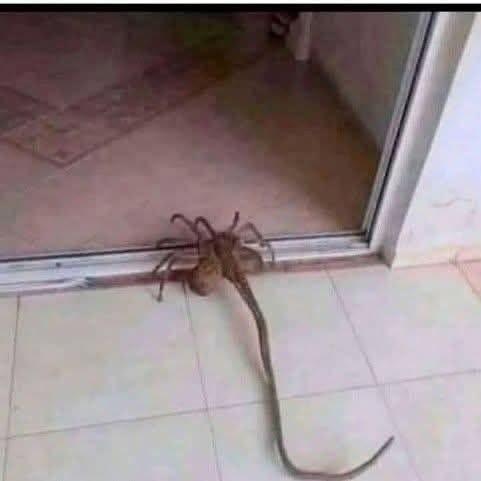
Most people have a kind of informal agreement with spiders.
Outside? Fine.
Corner of the ceiling? Tolerable.
Bathroom wall at night? Mild negotiation.
But that agreement starts to break down when the sightings become frequent.
“Normally I’m pretty good about our local spiders but this one has me stumped. This is the third one I’ve found in my house this summer.”
That sentence captures a very common moment: the shift from occasional indoor spider to pattern of repeated sightings. And once your brain detects a pattern, even a harmless one, it starts asking questions.
Why are they here?
Is this normal?
Is my house “infested”?
Or is something in the environment changing?
The answer is usually less alarming—and more interesting—than people expect.
First: Yes, This Is Usually Normal
Let’s get the most important fact out of the way:
Seeing multiple spiders in a summer season is almost always normal.
In most homes—especially in warmer months—spiders are part of the invisible background ecosystem. They are not “invading” in the aggressive sense. They are responding to:
food availability
temperature changes
breeding cycles
shelter opportunities
A few sightings do not automatically indicate a problem.
But repeated sightings do indicate that something in or around your home is attractive to them.
Why Summer Brings More Spider Encounters
Spiders don’t suddenly appear in summer—they become more visible.
- Insects increase in summer
Summer means:
flies
mosquitoes
gnats
ants
Where insects increase, spiders follow. Your home becomes a feeding ground, even if unintentionally.
Spiders are not interested in you. They are interested in what you attract.
- Spider reproduction cycles peak
Many common house spiders mature and reproduce during warmer months.
That means:
more wandering males searching for mates
more juveniles dispersing
more indoor exploration
So even if spider numbers stay stable, sightings increase.
- Open doors and windows
Summer habits increase entry points:
windows open at night
doors left open longer
ventilation without screens
Even small gaps are enough for many species.
- Heat drives movement
Extreme outdoor heat can push insects—and the spiders that hunt them—into cooler indoor environments.
The Key Misunderstanding: “I Saw Three Spiders, So There Must Be Many More”
This is where human perception often becomes unreliable.
Seeing three spiders over a summer does not mean:
Next »
there are hundreds in your home
your home is infested
something is wrong structurally
It usually means:
you’ve had three successful spider encounters
and many more spiders have already come and gone unnoticed
Most spiders avoid humans and remain hidden.
You are only seeing the ones that cross your path.
Common House Spiders and What They’re Doing
Most indoor spiders fall into harmless categories.
- Cellar spiders (often called “daddy long legs”)
long thin legs
hang in webs in corners
eat mosquitoes and flies
They are among the most common indoor spiders. - House spiders
build messy corner webs
stay hidden
very shy
They rarely move far from their web unless disturbed. - Jumping spiders
small, active hunters
do not build webs for catching prey
curious but harmless
They often appear as “random sightings” because they roam. - Orb-weavers (outdoor visitors)
build large circular webs
usually found near windows or lights
often wander indoors accidentally
Why Spiders Choose Your House (Even If You Don’t Want Them To)
Spiders are not random. Your home likely offers something they need. - Food supply
If you have insects, you have spiders.
Even small things matter:
fruit left out
crumbs
standing water
lights attracting bugs at night
2. Shelter
Spiders prefer:
quiet corners
undisturbed spaces
cluttered storage areas
Garages, basements, and attics are prime zones.
- Temperature stability
Homes offer:
consistent warmth
protection from rain
reduced predators
To a spider, your home is a safe zone.
Why You’re Seeing Them (But Not “Infested”)
The word “infestation” gets used too quickly online.
A true spider infestation would involve:
constant web buildup everywhere
dozens of visible spiders daily
widespread egg sacs
What you’re describing—three sightings in a summer—does not match that.
Most people have a kind of informal agreement with spiders.
Outside? Fine.
Corner of the ceiling? Tolerable.
Bathroom wall at night? Mild negotiation.
But that agreement starts to break down when the sightings become frequent.
“Normally I’m pretty good about our local spiders but this one has me stumped. This is the third one I’ve found in my house this summer.”
That sentence captures a very common moment: the shift from occasional indoor spider to pattern of repeated sightings. And once your brain detects a pattern, even a harmless one, it starts asking questions.
Why are they here?
Is this normal?
Is my house “infested”?
Or is something in the environment changing?
The answer is usually less alarming—and more interesting—than people expect.
First: Yes, This Is Usually Normal
Let’s get the most important fact out of the way:
Seeing multiple spiders in a summer season is almost always normal.
In most homes—especially in warmer months—spiders are part of the invisible background ecosystem. They are not “invading” in the aggressive sense. They are responding to:
food availability
temperature changes
breeding cycles
shelter opportunities
A few sightings do not automatically indicate a problem.
But repeated sightings do indicate that something in or around your home is attractive to them.
Why Summer Brings More Spider Encounters
Spiders don’t suddenly appear in summer—they become more visible.
- Insects increase in summer
Summer means:
flies
mosquitoes
gnats
ants
Where insects increase, spiders follow. Your home becomes a feeding ground, even if unintentionally.
Spiders are not interested in you. They are interested in what you attract.
- Spider reproduction cycles peak
Many common house spiders mature and reproduce during warmer months.
That means:
more wandering males searching for mates
more juveniles dispersing
more indoor exploration
So even if spider numbers stay stable, sightings increase.
- Open doors and windows
Summer habits increase entry points:
windows open at night
doors left open longer
ventilation without screens
Even small gaps are enough for many species.
- Heat drives movement
Extreme outdoor heat can push insects—and the spiders that hunt them—into cooler indoor environments.
The Key Misunderstanding: “I Saw Three Spiders, So There Must Be Many More”
This is where human perception often becomes unreliable.
Seeing three spiders over a summer does not mean:
Next »
there are hundreds in your home
your home is infested
something is wrong structurally
It usually means:
you’ve had three successful spider encounters
and many more spiders have already come and gone unnoticed
Most spiders avoid humans and remain hidden.
You are only seeing the ones that cross your path.
Common House Spiders and What They’re Doing
Most indoor spiders fall into harmless categories.
- Cellar spiders (often called “daddy long legs”)
long thin legs
hang in webs in corners
eat mosquitoes and flies
They are among the most common indoor spiders. - House spiders
build messy corner webs
stay hidden
very shy
They rarely move far from their web unless disturbed. - Jumping spiders
small, active hunters
do not build webs for catching prey
curious but harmless
They often appear as “random sightings” because they roam. - Orb-weavers (outdoor visitors)
build large circular webs
usually found near windows or lights
often wander indoors accidentally
Why Spiders Choose Your House (Even If You Don’t Want Them To)
Spiders are not random. Your home likely offers something they need. - Food supply
If you have insects, you have spiders.
Even small things matter:
fruit left out
crumbs
standing water
lights attracting bugs at nigh
